
Why it matters that your solicitor is a member of the International Association of Privacy Professionals
In an increasingly digital world, privacy is no longer just a legal technicality; it’s a business risk, a governance priority, and a core part of customer trust. Whether you’re a start-up, a professional services practice, a growing SME, or a not-for-profit, the way your organisation collects, stores, and uses personal information can have significant financial, regulatory, and reputational consequences.
This article explains why engaging a solicitor who is certified by the International Association of Privacy Professionals (IAPP) matters, and how that expertise helps protect your organisation’s legal, financial and reputational interests.
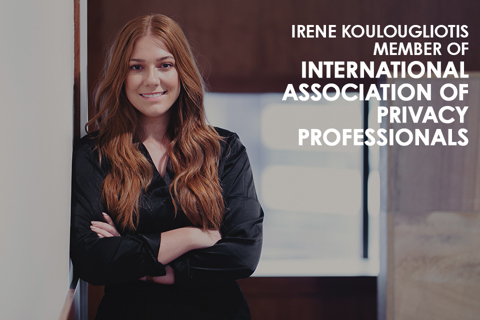
Irene, solicitor at IM Lawyers, is certified by the International Association of Privacy Professionals, one of the world’s leading organisations for privacy professionals. But what does that actually mean for you as a client of IM Lawyers?
What is the International Association of Privacy Professionals?
The IAPP is a not-for-profit organisation that empowers professionals (of various varieties) to understand and appropriately manage privacy risks, including understanding the global trends and policies relating to privacy. In particular, certified professionals demonstrate thorough knowledge of privacy laws, regulations, and frameworks.
Recognising the ever-changing nature of the global digital and privacy landscapes, the IAPP facilitates learning opportunities and provides its members with up-to-date advice regarding privacy obligations and best practices.
Why is privacy expertise and up-to-date knowledge important?
As lawmakers respond to ever-evolving technology, laws and regulations are updated (and created) consistently to ensure that businesses are considering the protections, use and disclosure of individuals’ personal information through every decision. Business owners and decision makers can no longer simply rely on tools and programs they don’t understand without keeping their privacy obligations front of mind as a day-to-day consideration.
In Australia, in particular, there has been a significant number of recent changes to privacy laws and more are predicted in the future, which generally address emerging issues in technology.
Some of the more recent changes include the introduction of a tort of privacy, which allows those whose personal information is used or disclosed inappropriately to claim compensation for the loss that follows from this misuse or inappropriate disclosure.
In addition, by the end of 2026, Australian businesses will be required to disclose their use of automated decision-making tools in their privacy policies, in an effort to promote transparency and ensure individuals can better understand how their information is processed and how those processes may affect their outcomes and opportunities.
What are the benefits for IM Lawyers’ clients?
For clients of IM Lawyers, Irene’s privacy expertise means they can rest assured that her knowledge and advice is informed by the latest developments about technology and privacy. It also means that even when receiving advice on other commercial areas like contracts or transactions, you can be assured that your lawyer is aware of privacy implications that may impact the commercial practicalities of that advice.
This is particularly useful for commercial clients who:
- process personal information as part of their services;
- enter into new vendor agreements which require processing of personal information; or
- deal with other kinds of personal information, including health data.
Want to know more about privacy and how to protect personal information within your organisation, or understand your rights when providing your personal information to businesses? Refer to our blog, “What are the Australian Privacy Principles and why are they important for my business?”
Contact your expert commercial lawyer now
Privacy is no longer an afterthought or optional add-on; it’s essential to doing business in a modern, data-driven, global economy. By engaging a solicitor who is IAPP-certified, you benefit from global insights, practical business-focused guidance, and high professional standards.
For our clients, this means one thing above all: greater confidence that your privacy obligations are being managed with specialist skill and up-to-date expertise.
Contacting IM Lawyers
This article is of a general nature and should not be relied upon as legal advice. If you require further information, advice or assistance for your specific circumstances, please contact IM Lawyers.